Five founders. One organisation. The whole account of BRATVA's history.
Read the historyThey were not alike. They did not always trust one another. But each of them understood that together they could build something far greater than anything they could build alone.
This is not a corporate website. It is an inventory of a case. Documents, biographies, photographs, chronology, family ties, and forty years of other people's decisions from which a single organisation emerged.
Nothing here can be skimmed. Every page is a chapter. Every man is a separate story. Every date is part of a legacy that has still not been divided.
Read it in order. Start in the middle and you will never work out who owes whom.
BRATVA never promised wealth. It promised that you would not be left alone, — and it kept that word longer than the state did.
Four steps the entire social system was built from. The order never changed after 1999 — only the people passing through it did.
They came to the person's home. Not “come if you want” — they came themselves and explained what would happen next, month by month, date by date.
A trade instead of a handout: workshop, school, site. Nine months, and the person could do something worth paying for.
BRATVA itself or one of the 700+ partner companies. The organisation answered for the person, not the payroll office on the far side of a desk.
Housing, medicine, a school for the children, support for the widow if the man never came back from the site. The system closed the rear.
By the year the organisation went international, the fond recorded the following. The figures come from an internal inventory and have never been revised.
A separate line in the inventory — investments in police infrastructure. In the fond they are filed as “development of law-enforcement infrastructure”. How exactly they developed is not specified: the clarifying documents are filed in Fond II, and Fond II is not read.
The full chronology from 1980 to the present. Twelve dated events and eight chapters. Events with two versions are filed as two versions.
Five separate biographies: Emin, Pervin, Parviz, Anar and Murad. Their roles, ties, contradictions, and what each agreed never to say.
The founders' sons, family ties, inheritance, new relationships and conflicts. Cases the children inherited together with their surnames.
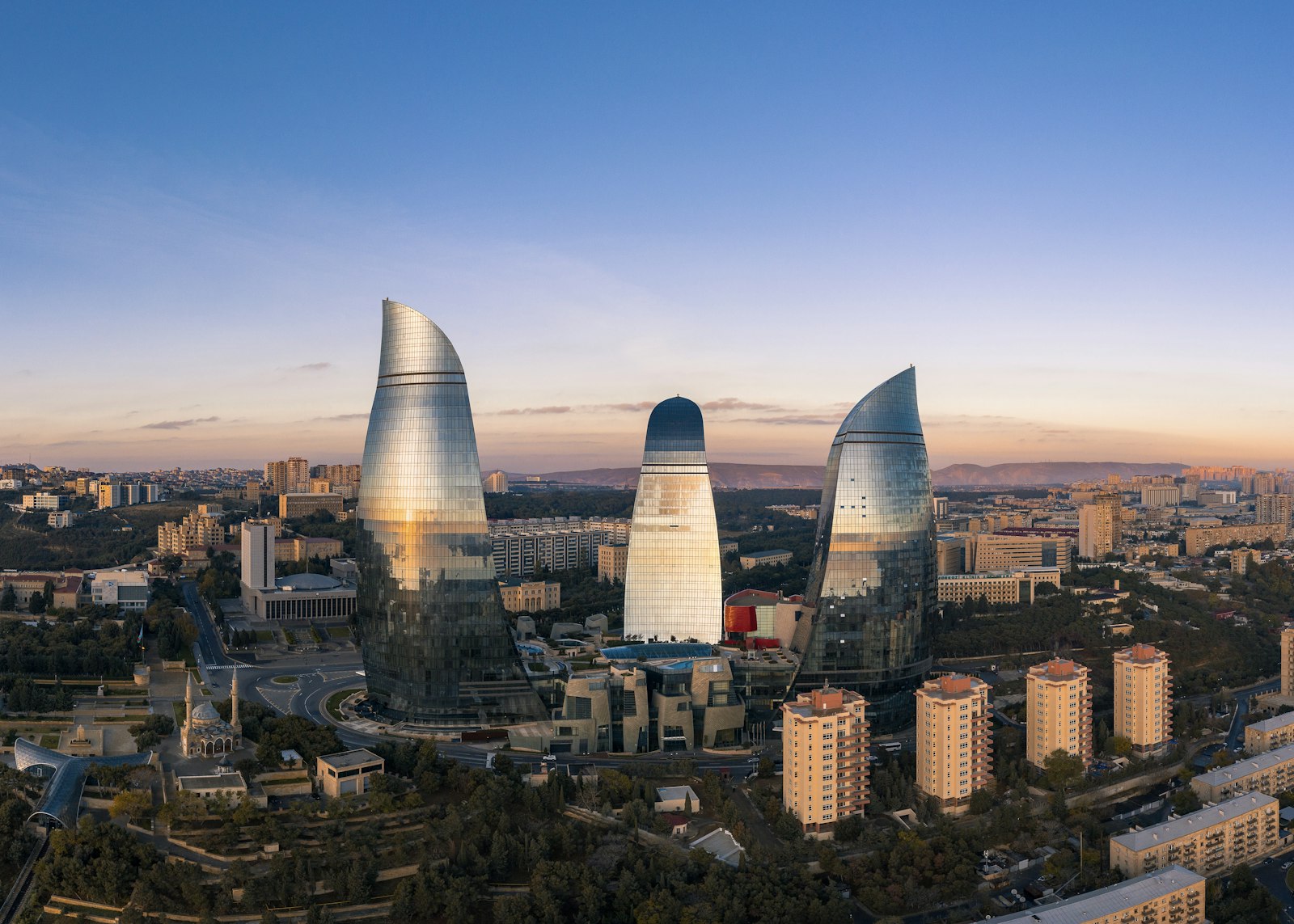
Oil, production, construction, trade and logistics. Five vectors feeding one budget — and one question: who controls the money.
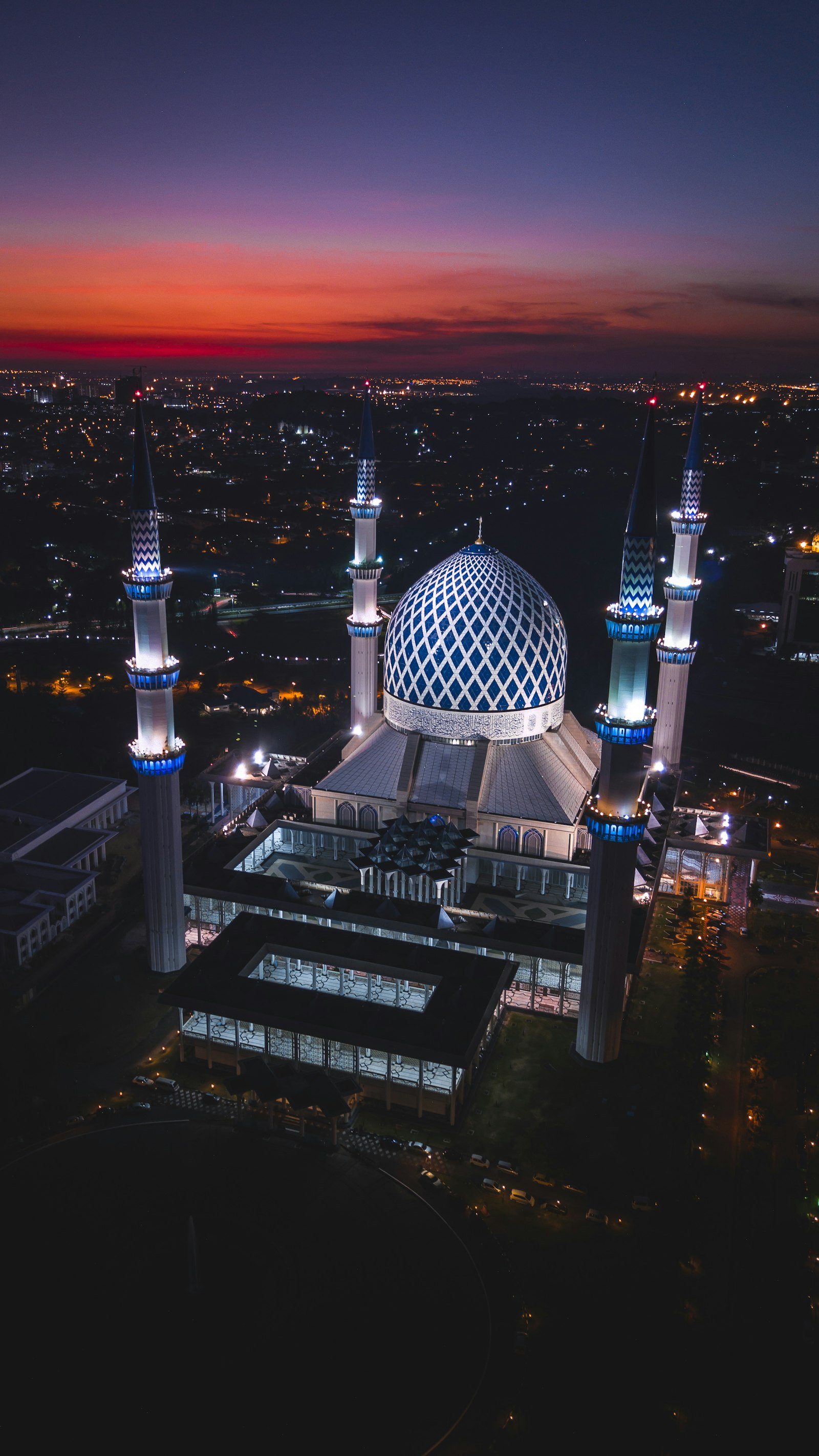
A mosque, housing, education, medicine and help for people — the second pillar of the organisation. What the whole thing was supposedly started for.
Photo library, paper cases, clippings and the archivist's notes. Fond I is open. Fond II is partly closed — and, as a rule, permanently.
Five founders. Five characters. One organisation. Period: 1980–2003.
The archive requires no registration, no passwords and no newsletter consent. It requires one thing: that the reader be written into the case. Give a name — or whatever you are called. From it a reader's file is opened, and everything you read here is filed against it.
01. Read the chronology in order. A person who starts at 2008 will never understand why Murad agreed to go to that restaurant.
02. In the dossiers look not for the truth but for what a man allowed to be written about him. These are different texts, and both are filed.
03. Close Fond II first. It is unreadable, and that is not a storage defect but a decision of the management.
Repeated requests to the archive do not speed up declassification. Patience does. Occasionally.
That is the design. Everything else is in the chronology, the dossiers and the archival fonds.
Start with the founders